
Seiko quality dedicated to quality service
National Service Hotline
Seiko quality dedicated to quality service
National Service Hotline
Everyone is looking for:Continuous tempering furnace、Bright brazing furnace、Bright annealing furnace、Aging furnace
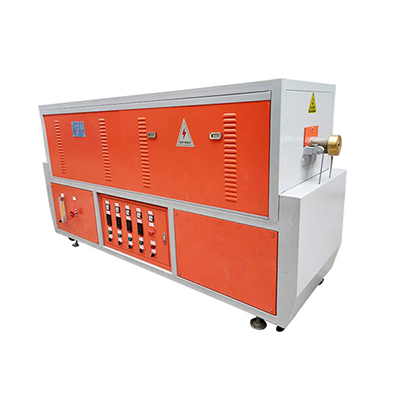
This is one of the most‑frequently‑asked questions from customers. The power value marked on the nameplate usually refers to holding‑power under ideal working conditions. During real‑world operation, energy consumption covers heat‑up phase, heat loss, heat carried away by process atmosphere and other factors. It is normal for actual consumption to exceed nameplate values, yet excessive deviation indicates abnormal conditions.
Three main factors lead to high energy consumption. First, inferior thermal insulation materials. Furnace linings built with ordinary ceramic fiber boards instead of nano‑microporous panels can suffer up to 30% higher heat dissipation loss. Scan the furnace body with a thermal imager; bright hot spots represent your profit slipping away. Second, defective furnace door sealing. Even a tiny gap can result in substantial heat leakage. Third, improper operating habits. In many plants, workers heat up the furnace first and then leave it idle while waiting for workpieces. One‑hour idle holding wastes dozens of kilowatt‑hours. By implementing batch loading and high‑speed hot loading‑unloading operations, per‑unit energy consumption can be reduced by nearly 20%.
Two core principles for cutting energy costs: use qualified insulation materials and avoid unnecessary high‑temperature idle burning in process scheduling. A popular upgrade replaces conventional refractory bricks with ceramic fiber modules, lowering furnace shell surface temperature from 70‑80℃ down to above 30℃ and delivering at least 15% electricity savings. Variable‑frequency fans are another effective solution. Old furnaces run fans at constant full speed; retrofitting with VFD for demand‑based speed regulation yields considerable power savings in cooling zones. Keep in mind that retrofits require capital investment, so calculate the payback period carefully.
Phone
+86 0769-81805128
+86 0769-81805127
+86 139-2251-1587