
Seiko quality dedicated to quality service
National Service Hotline
Seiko quality dedicated to quality service
National Service Hotline
Everyone is looking for:Continuous tempering furnace、Bright brazing furnace、Bright annealing furnace、Aging furnace
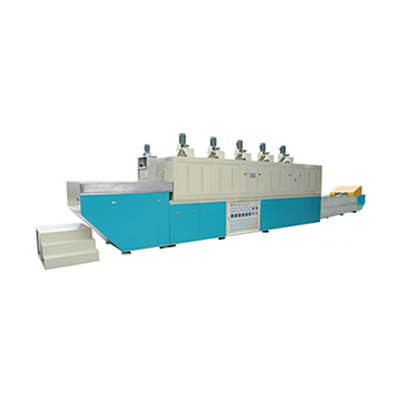
Maximum temperature is the first indicator many customers check when selecting furnaces, assuming higher is always better. This mindset can be risky. The rated maximum temperature of an industrial furnace differs completely from its long‑term stable operating temperature. Some units are rated for 1200℃ maximum, yet they can only run sustainably below 1100℃; heating elements will burn out if operated beyond this threshold.
Furnace temperature uniformity matters even more. Relevant standards generally require temperature uniformity within the effective heating zone to be ≤±10℃, and ≤±5℃ for critical workpieces. In real‑world tests, many furnaces claim ±5℃ uniformity, yet actual full‑load temperature deviation can reach ±15℃ or worse. Severe temperature disparity may cause inconsistent hardness among workpieces from the same batch, and full‑batch scrap is not uncommon.
Therefore, do not merely rely on attractive figures on specification sheets. Two practical suggestions: first, ask manufacturers for temperature‑field test reports under full‑load conditions; no‑load test data has limited reference value. Second, if feasible, bring your own thermocouples and data loggers for on‑site measurement. Also clarify heating‑element types. Silicon‑carbide rods deliver good cost‑performance below 1400℃, though their resistance reverses within 800‑1000℃ and matching transformers are required. For temperatures above 1600℃, molybdenum‑disilicide rods are mandatory, yet they are brittle and vulnerable to low‑temperature oxidation. Improper selection of heating elements means any upfront procurement savings will be offset by twice‑year replacement costs within a single year.
Phone
+86 0769-81805128
+86 0769-81805127
+86 139-2251-1587